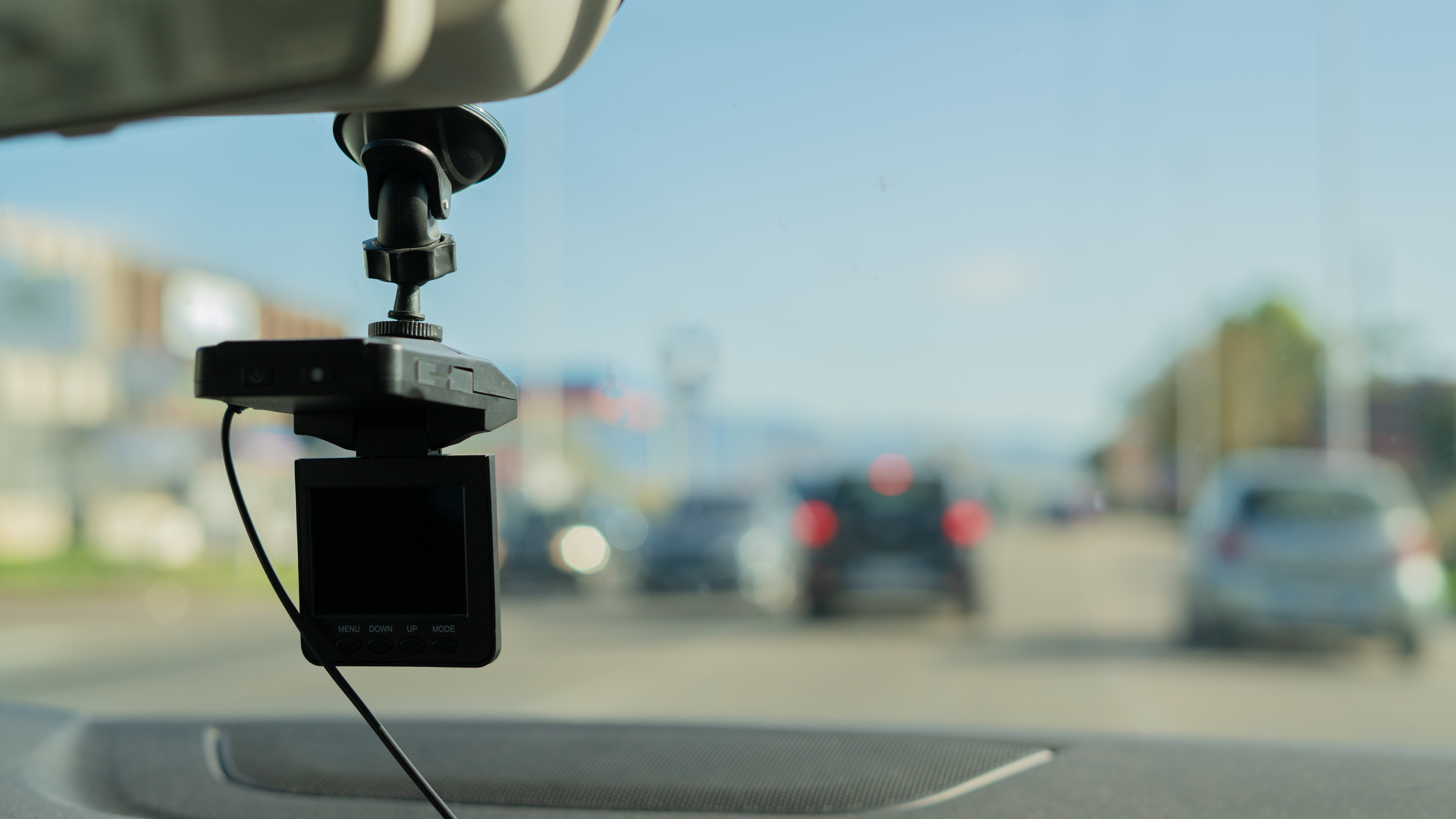
Personal injury cases often hinge on proving what happened in an accident. One tool that has become increasingly valuable in these cases is dashcam footage. While traditionally associated with insurance disputes or commercial vehicles, dashcams are now common in personal vehicles as well, providing crucial evidence in the event of an accident. But how exactly can this footage help your injury case, and what should you know before relying on it?
The Role of Dashcam Footage in Personal Injury Cases
Dashcams record real-time video and sometimes audio of the road ahead, and in some cases, the interior of a vehicle. This footage can provide an objective account of events leading up to an accident. For instance, it may capture:
- Traffic violations, such as running a red light or illegal lane changes.
- Sudden braking, swerving, or other actions that contributed to a collision.
- Road conditions, weather, or obstacles that may have played a role.
- The behavior of other drivers before and during the accident.
This type of evidence can be particularly useful in disputes over fault. While eyewitness accounts and driver statements can vary, dashcam recordings are harder to dispute. In addition, the footage can help corroborate your medical records and timeline of injuries, showing exactly when and how the accident occurred.
Advantages for Insurance and Legal Claims
Insurance companies often scrutinize claims to minimize payouts, and conflicting accounts can complicate matters. Dashcam footage can help clarify what happened, potentially speeding up the claim process. For personal injury cases, this clarity can be instrumental in:
- Establishing liability clearly and quickly.
- Supporting your statements in settlement negotiations.
- Protecting you against false claims from other parties.
It’s important to remember, however, that not all footage guarantees success. The quality of the video, camera placement, and coverage of critical moments all affect how useful it may be in a legal setting. Even low-resolution recordings may provide enough context to strengthen a case, while clear, high-definition recordings can be a game-changer.
Considerations When Using Dashcam Footage
While dashcams can be powerful, there are important considerations to keep in mind:
- Preserve the Original Footage: Don’t alter or delete recordings. Keeping the original file intact is essential for credibility.
- Avoid Public Sharing: Posting footage on social media can create unintended complications in your case. Only share it with your attorney.
- Combine With Other Evidence: Dashcam footage is most effective when paired with photographs, witness statements, and medical documentation.
Working with a personal injury attorney ensures that your dashcam evidence is used appropriately. An attorney can review the footage, interpret how it supports your claim, and present it effectively in settlement discussions or in court if needed.
How Butwinick Injury Law Can Help
If you’ve been injured in an accident, dashcam footage may be an important piece of your case, but it’s just one part of a larger legal strategy. At Butwinick Injury Law, we work closely with clients to gather all relevant evidence, assess liability, and fight for fair compensation. Whether your accident involved a car, truck, or other vehicle, we can help you understand how your dashcam recordings—and other evidence—can support your claim.
Don’t navigate the insurance and legal process alone. Contact Butwinick Injury Law today at (763) 415-7462 for a consultation and ensure your case receives the attention and expertise it deserves.