As temperatures begin to drop in Minnesota, roadways and walking surfaces start to change in ways that are not always immediately visible. What looks like a normal commute or routine trip to a store can quickly become hazardous due to shifting weather conditions.
October is often a transitional month where fall conditions begin to overlap with early signs of winter. This combination increases the risk of car accidents and slip-and-fall injuries, especially when drivers and property owners are not fully prepared for rapidly changing conditions.
Understanding how these seasonal shifts affect safety—and how liability is evaluated after an injury—can help individuals make informed decisions if an accident occurs.
How Changing Fall Weather Affects Minnesota Roads
One of the biggest challenges during the fall season in Minnesota is unpredictability. Temperatures can swing significantly within a single day, creating conditions where moisture freezes overnight and thaws during the day.
Early morning frost is especially dangerous for drivers. Bridges, shaded areas, and rural roads are often the first to freeze, sometimes without visible warning. Even a thin layer of frost can reduce traction and increase stopping distances.
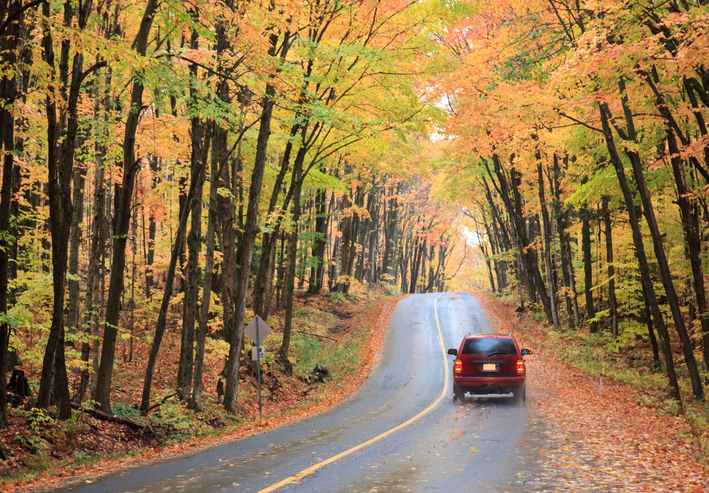
Rainfall combined with fallen leaves also creates a slippery surface that can be deceptive. Leaves collect in roadways, intersections, and curves, hiding potholes and reducing tire grip. Drivers may not realize how much control they have lost until they attempt to brake or turn.
As daylight hours shorten, visibility becomes another key factor. Many drivers find themselves commuting in low-light conditions, where it is harder to judge distance, see pedestrians, or react quickly to sudden changes in traffic.
Common Types of Seasonal Car Accidents
During this time of year, certain types of crashes tend to become more common across Minnesota roadways.
Rear-end collisions often occur when drivers fail to adjust their following distance for wet or slick roads. Even a minor delay in braking can lead to impact when road conditions are compromised.
Intersection accidents are also more frequent, especially when visibility is reduced during early sunsets or rainy conditions. Drivers may misjudge timing or fail to notice other vehicles until it is too late to react safely.
Single-vehicle crashes can also happen when vehicles slide on frost-covered pavement or lose control on roads covered with wet leaves or debris.
In many of these cases, liability depends on whether drivers acted reasonably given the conditions, including speed, awareness, and reaction time.
Slip-and-Fall Risks Increase During Seasonal Transitions
In addition to roadway hazards, fall weather also increases the risk of slip-and-fall injuries in public and private spaces throughout Minnesota.
Sidewalks, parking lots, and building entrances are especially vulnerable when moisture accumulates, and temperatures fluctuate around freezing. Early frost or overnight ice can create dangerous conditions that are not always obvious to pedestrians.
Wet leaves can also become slick when stepped on, particularly near store entrances or walkways with heavy foot traffic.
Property owners, landlords, and businesses are generally expected to take reasonable steps to maintain safe conditions. This may include clearing debris, addressing icy areas, or warning visitors of known hazards. When these responsibilities are not met, serious injuries can occur.
Understanding Liability After a Fall or Crash
Determining fault after a seasonal injury depends heavily on the specific circumstances of the incident.
In car accident cases, investigators often examine speed, following distance, weather conditions, and whether drivers adjusted their behavior appropriately to the road conditions.
In slip-and-fall cases, the focus often shifts to whether a property owner knew or should have known of a dangerous condition and failed to address it in a reasonable time.
Evidence such as photographs, surveillance footage, witness statements, and maintenance records can all play a critical role in understanding what happened.
Insurance companies may attempt to minimize claims by blaming weather conditions alone, but liability is rarely that simple.
What to Do After a Seasonal Injury
After any accident, the first priority should always be medical care, even if injuries do not seem severe at first. Some conditions, including soft tissue injuries or head trauma, may take time to fully develop.
If possible, documenting the scene can also be helpful. This may include photos of road conditions, walkways, weather impacts, or any visible hazards.
Because these cases often involve insurance disputes and complex liability questions, speaking with an experienced personal injury attorney can help clarify next steps and protect your rights.
Minneapolis Car Accident Lawyer
If you or someone you love has been injured in a car accident or slip-and-fall incident during Minnesota’s fall and early winter transition, legal guidance can help you understand your options.
Butwinick Injury Law represents individuals injured due to unsafe driving conditions, hazardous properties, and preventable accidents throughout Minnesota.
Contact Butwinick Injury Law at (763) 415-7462 to discuss your situation and learn more about your legal rights.